

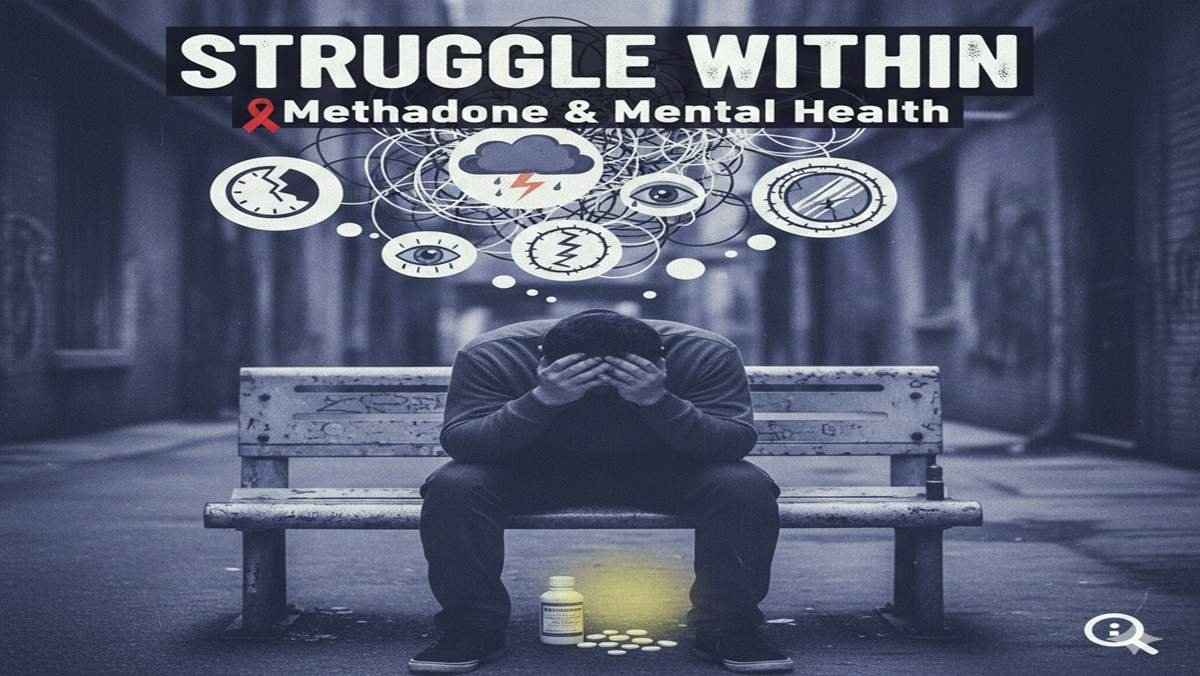
When people think about methadone treatment, they often see it as a clear path toward recovery from opioid addiction. And for many, it truly is. Methadone maintenance treatment (MMT) has helped millions manage opioid use disorder (OUD), reduce harm, and regain stability. But for some patients, the journey is far more complicated—especially when methamphetamine use is also part of the picture.
Recent research has brought much-needed attention to the Mental Health Challenges faced by people who are on methadone while also using methamphetamine. Their experiences remind us that recovery isn’t just about stopping one substance. It’s about understanding the mind, emotions, and environment surrounding addiction.
What’s Really Going On?
Methadone works by calming the body’s response to opioids. It reduces cravings, prevents withdrawal, and helps people function day to day. Methamphetamine, on the other hand, is a powerful stimulant. It speeds up the brain, floods it with dopamine, and can trigger anxiety, paranoia, and psychosis.
When these two substances intersect, things can get messy—both chemically and emotionally. This interaction often leads to serious Mental Health Struggles that are difficult to manage within traditional treatment models.
People in methadone treatment who also use meth often describe feeling mentally overwhelmed. The calming effect of methadone clashes with the intensity of meth, leaving the brain stuck in a constant push-and-pull. Over time, this can worsen Mental Health Challenges and make recovery feel exhausting.
Common Mental Health Struggles
Many patients in this situation report experiencing a wide range of Mental Health Struggles, including:
- Severe anxiety that feels constant and hard to control
- Depression, often tied to shame, hopelessness, or relapse
- Paranoia or hallucinations, especially during heavy meth use
- Sleep problems that make everything else feel worse
- Emotional numbness, followed by intense mood swings
These Mental Health Struggles don’t exist in isolation. They often feed into substance use itself. Someone might use meth to escape emotional pain or untreated depression, only to feel worse afterward—leading to more use. This cycle can make sticking to methadone treatment much harder.
Why Traditional Treatment Often Falls Short
One of the biggest issues highlighted by patients is that many methadone programs aren’t fully set up to address complex Mental Health Challenges linked to stimulant use.
Methadone clinics are usually designed with opioid use in mind. Screening for anxiety, depression, or psychosis related to meth use may be limited or inconsistent. As a result, ongoing Mental Health Struggles are often missed.
Some patients shared that they didn’t feel safe talking openly about meth use because they feared punishment, stigma, or being labeled as “non-compliant.” This silence prevents early mental health support and allows symptoms to spiral.
The Weight of Double Stigma
Living with opioid addiction already carries stigma. Adding methamphetamine use on top of that often creates a double burden.
This stigma intensifies Mental Health Struggles, making people feel rejected by healthcare providers, misunderstood by family, and isolated from their community. When people don’t feel respected or heard, they’re less likely to seek help—worsening both addiction and mental health outcomes.
What Actually Helps?
Patients and researchers agree on one thing: integrated care is essential for addressing Mental Health Challenges in methadone treatment.
1. Mental Health Screening in Methadone Clinics
Routine mental health assessments help identify anxiety, depression, and psychotic symptoms early.
2. Trauma-Informed Therapy
Addressing past trauma can significantly reduce long-term Mental Health Struggles.
3. Flexible Counseling Approaches
CBT, motivational interviewing, and dual-diagnosis counseling help patients manage triggers and emotions.
4. Careful Medication Management
Psychiatric medications, when used thoughtfully alongside methadone, can stabilize severe symptoms.
5. Peer Support
Shared experiences reduce shame and normalize conversations around Mental Health Challenges.
The Role of Technology
Digital tools like teletherapy and mental health apps are becoming powerful supports for managing ongoing Mental Health Struggles.
They can assist with:
- Medication reminders
- Mood tracking
- Crisis support
- Mental health education
For many patients, technology offers privacy, consistency, and easier access to care.
Why This Conversation Matters
Recovery is not just about quitting drugs. It’s about healing the mind. Ignoring Mental Health Challenges in methadone patients who also use meth can undermine treatment success.
This growing body of research sends a clear message: treating addiction without addressing Mental Health Struggles leaves people vulnerable.
Key Takeaways
- Methadone treatment becomes more complex when methamphetamine use is involved
- Mental Health Struggles like anxiety, depression, and psychosis are common
- Stigma prevents many patients from seeking help
- Integrated mental health and addiction care improves outcomes
- Recovery works best when Mental Health Challens and substance use are treated together
Healing is rarely a straight line—but with empathy, understanding, and comprehensive care, recovery is possible.
This research sends a clear message: we need treatment systems that treat the whole person, not just the addiction.
Read Also: