
Key Takeaways
- A multi-country Salmonella infection outbreak linked to flavored instant noodles has affected more than 100 people across 14 European countries, with many cases involving children and young adults.
- Beyond physical illness, outbreaks like this can trigger anxiety, fear, stress, and emotional exhaustion in both children and parents.
- Knowing the symptoms, treatment options, and food safety habits can help families stay calm while reducing the risk of infection.
A Food Safety Scare That Is Affecting More Than Physical Health
When we hear about a food recall or an outbreak of food poisoning, most of us immediately think about stomach cramps, vomiting, or a trip to the hospital. But there’s another side to these events that often goes unnoticed—the emotional impact they leave behind.
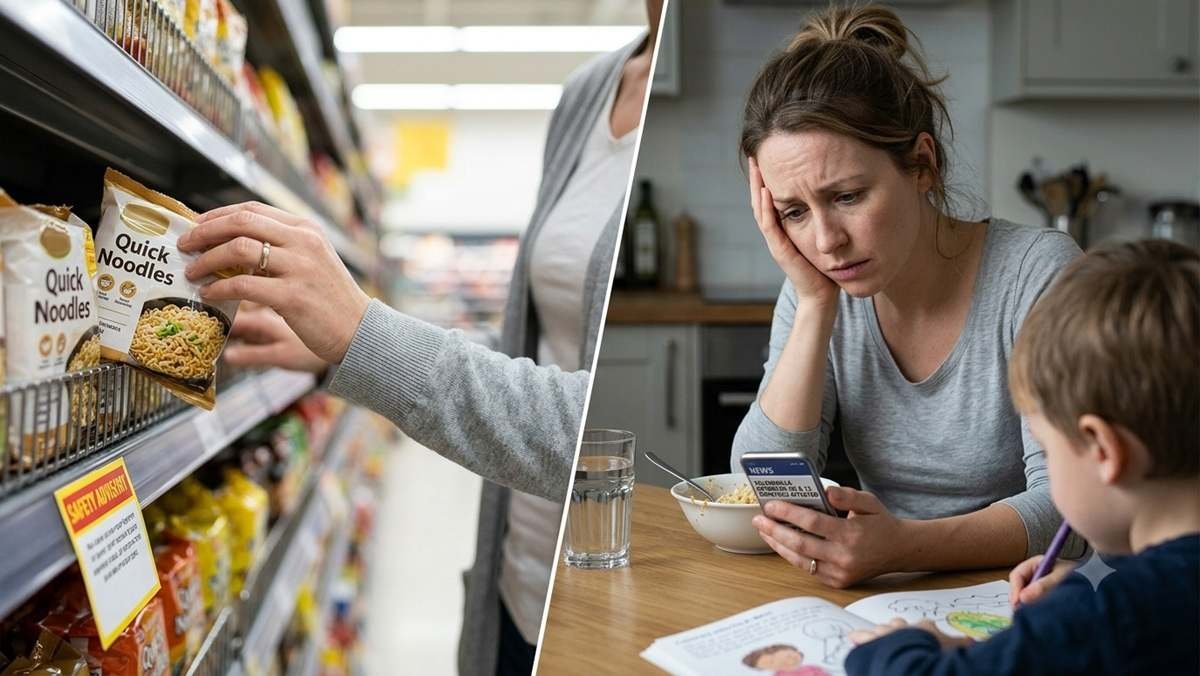
A recent Salmonella infection outbreak linked to flavored instant noodles has spread across 14 European countries, including the UK. Health authorities have confirmed more than 100 cases, with children and young adults making up a large proportion of those affected.
According to European health agencies, microbiological evidence found the outbreak strain in chicken-flavored and hot chicken-flavored instant noodle products. The products were linked to a Ukrainian manufacturer, prompting investigations and product withdrawals.
While officials continue tracing the exact source, many families are left asking difficult questions. Is the food in my kitchen safe? What if my child already ate it? Could this become serious?
These questions can create significant emotional stress, especially for parents trying to protect their families.
Why Food Outbreaks Can Affect Mental Health
Food is something we trust every day.
When that trust is suddenly broken by news of contamination, people often experience feelings that go far beyond concern about physical illness.
Parents may begin checking every package in the pantry repeatedly. Some stop buying foods their children previously enjoyed. Others become anxious every time a child complains about a stomach ache.
Children can also absorb this anxiety. Even if they never become sick, hearing adults discuss dangerous bacteria or hospital visits may make them fearful of eating certain foods.
This constant uncertainty can lead to:
- Health anxiety
- Difficulty relaxing
- Sleep problems
- Increased stress in caregivers
- Fear of eating packaged foods
- Excessive worry about children becoming ill
While these feelings are understandable, it’s important to rely on trusted health advice rather than social media rumors or panic.
What is Salmonella caused by?
Many people ask, “What is Salmonella caused by?”
Salmonella is a group of bacteria that can contaminate food and water. Infection usually happens after eating food that contains the bacteria.
Common Salmonella causes include:
- Undercooked poultry
- Raw or undercooked eggs
- Unpasteurized milk
- Contaminated fruits and vegetables
- Improper food handling
- Cross-contamination in the kitchen
- Contaminated packaged foods, as seen in this noodle outbreak
Although chicken is one of the most common sources, outbreaks sometimes involve unexpected foods, including spices, peanut butter, chocolate, fresh produce, and now flavored instant noodles.
Salmonella symptoms: What should you watch for?
One reason outbreaks create anxiety is that Salmonella symptoms often resemble common stomach bugs.
Symptoms usually appear within 6 to 72 hours after exposure.
Common symptoms include:
- Diarrhea
- Fever
- Stomach cramps
- Nausea
- Vomiting
- Headache
- Chills
- Fatigue
Most healthy people recover within four to seven days.
However, dehydration can become serious, especially in:
- Young children
- Older adults
- Pregnant women
- People with weakened immune systems
If symptoms become severe or last several days, medical attention is important.
Is Salmonella very serious?
A common question is, “Is Salmonella very serious?”
For many healthy adults, the illness is unpleasant but temporary.
However, it can become serious when dehydration develops or when the bacteria spread beyond the intestines into the bloodstream.
High-risk groups include:
- Infants
- Elderly people
- Cancer patients
- Individuals with weakened immunity
- People living with chronic illnesses
Most people recover fully, but severe infections may require hospitalization.
Can Salmonella kill you?
Hearing about outbreaks naturally leads people to wonder, “Can Salmonella kill you?”
Although deaths are uncommon in countries with modern healthcare, severe Salmonella infection can become life-threatening if left untreated.
Complications may include:
- Severe dehydration
- Bloodstream infections
- Organ infections
- Sepsis
Prompt medical treatment greatly reduces these risks.
What foods carry Salmonella?
One of the biggest lessons from this outbreak is that contamination is not always limited to obvious foods.
People often ask, “What foods carry Salmonella?”
Foods commonly associated with Salmonella include:
- Raw eggs
- Poultry
- Turkey
- Beef
- Raw milk
- Soft cheeses made from unpasteurized milk
- Fresh fruits
- Leafy vegetables
- Sprouts
- Peanut butter
- Herbs and spices
- Chocolate
- Instant noodle products involved in the current investigation
Even packaged foods can become contaminated during manufacturing, which is why recalls are taken seriously.
Salmonella chicken: Why poultry gets so much attention
The phrase “Salmonella chicken” appears frequently because poultry remains one of the leading sources of infection worldwide.
Raw chicken naturally carries bacteria more often than many other foods.
To reduce risk:
- Cook chicken thoroughly.
- Never wash raw chicken, as this can spread bacteria around the kitchen.
- Use separate cutting boards for raw meat and vegetables.
- Wash hands after handling raw poultry.
- Refrigerate leftovers quickly.
Good kitchen hygiene remains one of the best defenses.
Can Salmonella get cured?
Many people worry after hearing outbreak news and ask, “Can Salmonella get cured?”
The answer is yes.
Most people recover without antibiotics.
Treatment usually focuses on:
- Drinking plenty of fluids
- Replacing lost electrolytes
- Resting
- Eating light foods as symptoms improve
Doctors may prescribe antibiotics for severe illness or for people at high risk of complications.
Salmonella treatment: What doctors usually recommend
Salmonella treatment depends on how severe the illness becomes.
Mild infections often improve with:
- Hydration
- Oral rehydration solutions
- Rest
- Gradual return to normal eating
Hospital treatment may be necessary if someone develops:
- Severe dehydration
- Persistent vomiting
- High fever
- Bloody diarrhea
- Infection spreading beyond the intestines
Parents should never ignore signs of dehydration in young children, such as dry mouth, fewer wet diapers, extreme tiredness, or dizziness.
Salmonella typhi: Is it the same thing?
People often confuse ordinary Salmonella food poisoning with Salmonella typhi.
Although both belong to the Salmonella family, they are different.
Salmonella typhi causes typhoid fever, which spreads mainly through contaminated food and water in areas with poor sanitation.
The current noodle outbreak involves a different strain known as Salmonella Stanley, not Salmonella typhi.
Understanding this difference helps avoid unnecessary confusion.
Salmonella pronunciation
If you’ve ever wondered about Salmonella pronunciation, it’s commonly said as:
sal-muh-NEL-uh
While pronunciation isn’t medically important, understanding the name helps when reading public health updates or speaking with healthcare providers.
How Parents Can Protect Their Mental Health During an Outbreak
Constant news updates can easily create overwhelming anxiety.
If you’re a parent, it’s perfectly normal to feel worried.
However, staying calm helps children feel safe too.
Some healthy ways to manage stress include:
Stick to trusted information
Follow updates from official public health agencies instead of relying on social media rumors.
Focus on what you can control
You can’t control every food recall, but you can practice safe food handling and check recall notices.
Avoid panic-buying
Removing recalled products is sensible, but avoiding every packaged food isn’t necessary unless advised by health authorities.
Talk openly with children
If children hear frightening news, explain the situation in simple language without creating unnecessary fear.
For example:
“Some foods are being checked because they might make people sick. That’s why adults are making sure our food is safe.”
This type of reassurance often works better than alarming conversations.
Limit doomscrolling
Repeatedly reading outbreak updates throughout the day can increase stress without improving safety.
Checking reliable news once or twice daily is usually enough.
Helping Children Feel Safe Again
Children often notice when adults seem worried.
You can support them by:
- Keeping normal family routines
- Preparing meals together
- Teaching simple handwashing habits
- Encouraging questions
- Avoiding frightening language
- Praising healthy hygiene instead of using fear
These small actions build confidence rather than anxiety.
The Bigger Picture
Foodborne outbreaks remind us that food safety is a shared responsibility involving manufacturers, health agencies, retailers, and consumers.
While investigations continue into the instant noodle outbreak affecting multiple European countries, the majority of people will never become infected. Even among those who do, most recover completely with appropriate care.
The emotional impact, however, deserves attention too.
Parents naturally want to protect their children. When headlines involve contaminated foods, those protective instincts can quickly turn into chronic worry.
The best response isn’t panic—it’s informed action.
By following food safety advice, recognizing Salmonella symptoms, seeking medical care when needed, and maintaining perspective, families can protect both their physical health and their peace of mind.
Final Thoughts
The ongoing Salmonella outbreak linked to flavored instant noodles is an important reminder that food safety incidents can affect emotional well-being as much as physical health. Parents may feel anxious, children may become fearful, and everyday meals can suddenly feel uncertain.
Fortunately, knowledge is a powerful antidote to fear. Understanding Salmonella causes, recognizing symptoms early, knowing that effective Salmonella treatment is available, and practicing safe food handling can help families respond with confidence instead of panic.
As health authorities continue investigating the outbreak, staying informed through reliable sources—and remembering that most infections are treatable—can help reduce unnecessary anxiety while keeping your family safe.
Read Also:
https://thebrainalert.com/cyclosporiasis-outbreak-mental-health-mistakes/