


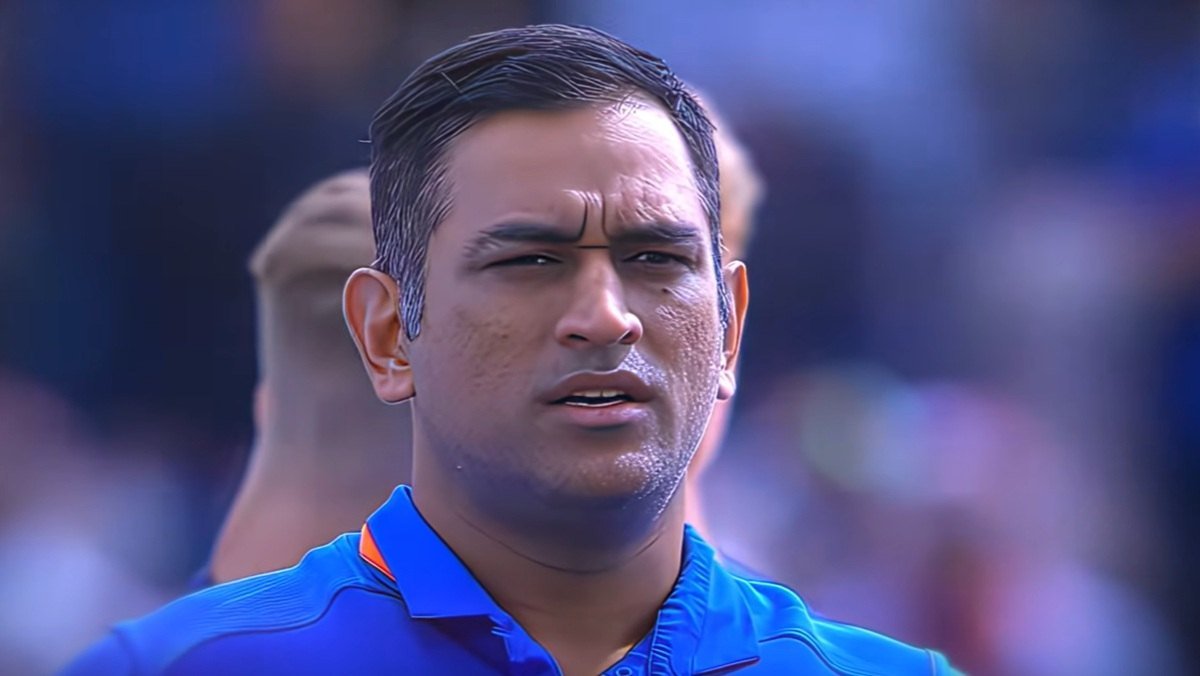
Key Takeaways
- Emotional control is a skill, not a personality trait. MS Dhoni’s calmness under pressure shows how emotional regulation can improve decision-making.
- Great leaders trust the process over panic. Dhoni consistently focused on the next move instead of reacting emotionally to setbacks.
- Mental resilience can be developed. His journey proves that confidence grows through preparation, patience, and learning from failure.
There are great cricketers, and then there are players who completely change the way people think about leadership. MS Dhoni belongs to the second category.
As former Indian captain Mahendra Singh Dhoni celebrates his 45th birthday, fans across the world are remembering unforgettable moments—lifting the 2007 ICC T20 World Cup, finishing the 2011 World Cup final with that iconic six, guiding India to the 2013 Champions Trophy, and making impossible run chases look surprisingly ordinary.
But if you ask psychologists what truly made Dhoni exceptional, many would point to something beyond his batting average or trophy cabinet.
It was his mind.
The nickname “Captain Cool” wasn’t given because he never felt pressure. It was because he rarely allowed pressure to control his decisions.
In a world where athletes constantly face criticism, expectations, and emotional highs and lows, Dhoni became a fascinating example of mental resilience. His career reminds us that success isn’t just about talent—it is also about how we think, respond, and recover.
Table of Contents
ToggleFrom Railway Ticket Collector to India’s Greatest Finisher
Every inspiring story starts somewhere ordinary.
Before becoming one of cricket’s greatest captains, Dhoni worked as a ticket collector for Indian Railways in Kharagpur. It wasn’t the glamorous beginning many sports legends have.
Like millions of young Indians, he had dreams, responsibilities, and uncertainty about the future.
His international debut in 2004 wasn’t magical either. In fact, he was run out for zero in his very first ODI innings.
Many careers never recover from disappointing starts.
Dhoni’s did.
Instead of allowing failure to define him, he treated it as feedback.
That mindset would later become one of his greatest strengths.
What Makes Someone Stay Calm Under Pressure?
Have you ever noticed how your mind reacts during stressful situations?
Your heart races.
Your breathing changes.
Your thoughts become scattered.
Psychologists explain that during stressful moments, our brain’s threat system becomes highly active. This often leads to emotional reactions instead of thoughtful decisions.
Elite performers learn something different.
They don’t eliminate stress.
They learn to manage it.
Dhoni appeared to understand this naturally. Whether India needed 15 runs in the final over or a captaincy decision had to be made within seconds, his body language remained almost unchanged.
Calmness doesn’t mean the absence of fear.
It means not letting fear take control.
Emotional Regulation: Captain Cool’s Greatest Superpower
One of the biggest psychological skills behind Dhoni’s success is emotional regulation.
This simply means managing emotions without suppressing them.
People often assume emotionally strong individuals don’t experience anxiety or frustration.
That’s not true.
They simply choose how to respond.
Throughout his career, Dhoni rarely celebrated wildly after victories or looked devastated after defeats.
This emotional balance helped him make smarter decisions during crucial moments.
Sports psychologists often describe this as maintaining an “optimal emotional state”—staying focused enough to perform while preventing emotions from clouding judgment.
Why Dhoni Rarely Panicked
One reason Dhoni became such an effective finisher was his ability to focus only on what he could control.
Imagine chasing 320 runs.
Fans are nervous.
Commentators predict defeat.
Social media explodes with opinions.
None of that changes the next ball.
Dhoni consistently narrowed his attention to the immediate task.
One delivery.
One run.
One decision.
This psychological strategy is called present-moment focus, and it plays an important role in reducing anxiety.
When we stop worrying about future outcomes, our brain has more mental energy available for solving the problem right in front of us.
Trusting the Process Instead of Chasing Results
One lesson that repeatedly appears throughout Dhoni’s career is patience.
Unlike many aggressive players, he didn’t always rush.
Sometimes he deliberately slowed the game down.
Sometimes he allowed younger teammates to take the spotlight.
Sometimes he waited until the final overs before accelerating.
This reflects an important psychological principle.
People who become overly obsessed with results often increase their own stress levels.
Those who focus on the process usually perform more consistently.
Dhoni trusted preparation.
He trusted reading the match.
He trusted timing.
And more often than not, the results followed.
The Psychology Behind His Leadership
Leadership isn’t about speaking the loudest.
It’s about creating confidence in others.
Dhoni mastered this.
Young players frequently spoke about the freedom he gave them.
Instead of constantly criticizing mistakes, he allowed teammates to learn from them.
This approach builds what psychologists call psychological safety.
When people know they won’t be humiliated for every mistake, they become more willing to take smart risks, innovate, and perform confidently.
Many of India’s future stars flourished under Dhoni’s leadership because they felt trusted.
That trust became contagious.
Decision-Making Under Pressure
Perhaps Dhoni’s most famous quality was making unexpected decisions.
Promoting himself ahead of Yuvraj Singh in the 2011 World Cup final.
Backing relatively unknown players in high-pressure tournaments.
Making subtle field changes seconds before a wicket.
These decisions weren’t random.
They reflected years of observation, experience, and calm thinking.
Psychology tells us that pressure narrows attention.
Without emotional control, people often choose the safest option simply because it feels less risky.
Dhoni seemed comfortable making unconventional choices because he wasn’t driven by panic.
He focused on probabilities rather than public opinion.
Failure Never Became His Identity
One underrated aspect of Dhoni’s personality is how he handled setbacks.
Every athlete loses matches.
Every captain faces criticism.
Every career includes disappointing moments.
The difference lies in interpretation.
Some people begin believing they are failures.
Others simply believe they experienced one.
Dhoni consistently appeared to separate performance from identity.
Losing a match didn’t mean losing confidence.
It simply meant preparing better for the next challenge.
This mindset aligns with what psychologists call a growth mindset—the belief that abilities improve through learning, effort, and experience rather than being permanently fixed.
The Power of Quiet Confidence
Modern culture often associates confidence with loud speeches or dramatic celebrations.
Dhoni challenged that stereotype.
His confidence was remarkably quiet.
He didn’t need to constantly prove himself.
He didn’t appear distracted by external validation.
Quiet confidence comes from preparation rather than attention.
When people trust their abilities, they spend less energy convincing others.
Instead, they focus on performing.
Dhoni’s career is perhaps one of the best examples of this principle in professional sport.
Reinventing Himself Over Time
Early in his career, Dhoni was known for explosive batting.
Long hair.
Fearless hitting.
Massive sixes.
As he matured, his game evolved.
He became more patient.
More tactical.
More selective.
Many people struggle with change because they become attached to a previous version of themselves.
Psychological flexibility—the willingness to adapt—is increasingly recognized as an important marker of mental wellbeing.
Dhoni continuously adjusted his game according to what his team needed rather than what enhanced his personal image.
That adaptability helped extend his success for many years.
The Numbers Behind the Legacy
While psychology explains his mindset, the statistics explain his extraordinary impact.
Dhoni scored 17,266 international runs, represented India in 538 international matches, and completed 829 dismissals as a wicketkeeper.
In One Day Internationals, he accumulated 10,773 runs at an outstanding average of 50.57, including 10 centuries and 73 half-centuries, despite batting mostly in the middle order where opportunities are often limited.
As India’s ODI captain, he led the team in 200 matches, winning 110.
In T20 Internationals, he captained India to its historic 2007 ICC T20 World Cup triumph, changing the country’s white-ball cricket forever.
In Test cricket, he led India to the No. 1 position in the ICC Test Rankings and became the only Indian captain to complete 4-0 Test series whitewashes against Australia at home.
These achievements reflect not only exceptional skill but also remarkable consistency over many years.
What We Can Learn From Captain Cool
Most of us will never captain a World Cup-winning cricket team.
But we all experience pressure.
Deadlines.
Family responsibilities.
Career uncertainty.
Health concerns.
Difficult conversations.
Dhoni’s career offers lessons that extend far beyond cricket.
When life becomes stressful:
- Pause before reacting.
- Focus on what you can control.
- Accept mistakes without defining yourself by them.
- Trust preparation more than panic.
- Support others instead of blaming them.
- Stay flexible when circumstances change.
These habits won’t remove stress completely.
But they can make it much easier to navigate.
Mental Strength Is Built, Not Born
It’s tempting to believe that people like MS Dhoni were simply born mentally stronger than everyone else.
Psychology suggests otherwise.
Mental resilience develops through repeated experiences, thoughtful reflection, disciplined habits, and learning to manage emotions over time.
Dhoni’s journey—from a railway ticket collector to one of cricket’s greatest leaders—illustrates that emotional strength is something we can practice every day.
Whether you’re preparing for an important exam, managing workplace pressure, leading a team, or simply trying to handle life’s uncertainties, the principles remain the same.
Stay present.
Stay patient.
Stay adaptable.
And remember that calmness is not about never feeling pressure—it’s about responding wisely when pressure arrives.
Final Thoughts
As MS Dhoni turns 45, his legacy extends far beyond cricket records, trophies, and unforgettable finishes. His greatest contribution may be showing millions of people what emotional resilience looks like in action.
In an age where constant noise, instant reactions, and public scrutiny have become the norm, Dhoni’s quiet composure feels more relevant than ever. His story reminds us that true strength isn’t always loud. Sometimes, it’s the calm voice that makes the smartest decision when everyone else is panicking.
That may be why, even years after stepping away from international cricket, “Captain Cool” continues to inspire not just athletes, but anyone striving to lead with courage, patience, and a steady mind.
Read Also:
https://thebrainalert.com/bryan-johnson-longevity-mental-wellbeing/