

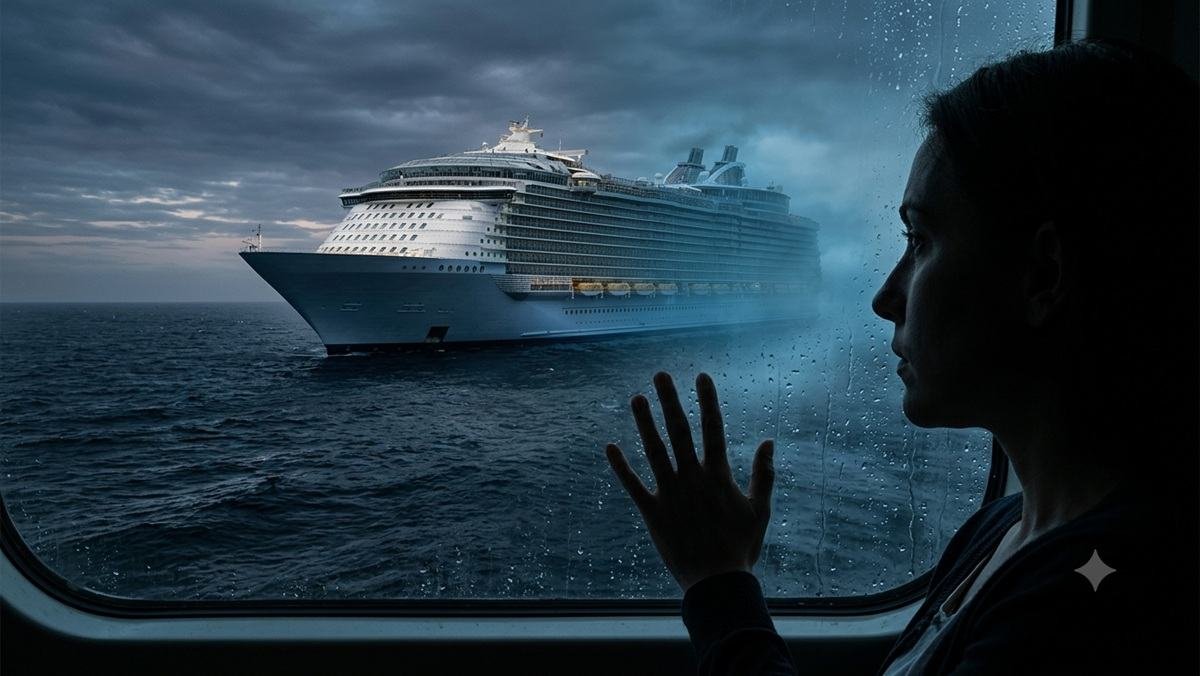
Imagine spending months looking forward to your dream cruise. You picture glacier views in Alaska, calm ocean sunsets, great food, and time to relax with the people you love. Then, instead of a vacation, you end up dealing with vomiting, stomach cramps, isolation, and fear.
That is what many passengers aboard the Ruby Princess experienced after a norovirus outbreak affected more than 120 people during a 20-day voyage between San Francisco, Canada, and Alaska.
According to the U.S. Centers for Disease Control and Prevention (CDC), 102 passengers and 23 crew members became ill during the trip. Most people recover from norovirus within a few days, but the emotional toll of getting sick in a confined space can last much longer.
When outbreaks like this happen, the focus usually lands on cleaning procedures, possible contamination, and the number of people affected. What often gets overlooked is the stress, fear, and lingering anxiety passengers may carry home with them.
Let’s look at both the physical and emotional side of this cruise outbreak.
Key takeaway
Norovirus outbreaks on cruise ships are not just a physical health issue. They can also leave passengers feeling anxious, unsettled, and fearful long after the stomach symptoms are gone. Good handwashing, early reporting of symptoms, and calm, factual information are some of the best ways to protect both your health and your peace of mind.
Cruise outbreak 2026: What happened aboard the Ruby Princess?
The Ruby Princess left San Francisco on June 12 for a 20-day round-trip cruise to Canada and Alaska. During the voyage, passengers began showing classic signs of norovirus, including:
- Sudden vomiting
- Severe diarrhea
- Stomach pain
- Nausea
- Fatigue
By the time the ship returned, the CDC reported that 125 people had become ill, including both passengers and crew.
Princess Cruises responded by stepping up cleaning procedures across the ship. Officials also said the vessel would undergo a thorough disinfection before its next sailing.
Health officials noted that the illnesses did not all begin at once. Instead, cases appeared over several days, which is typical in norovirus outbreaks.
CDC reports cruise ship outbreak: Why this news matters
Cruise ships are often marketed as floating resorts filled with entertainment, comfort, and luxury. But they also create the perfect setting for contagious illnesses to spread quickly.
Thousands of people share:
- Dining areas
- Buffets
- Elevators
- Railings
- Public restrooms
- Swimming pools
- Theaters
Norovirus takes only a tiny amount of viral particles to infect another person.
That means one contaminated surface can affect many travelers if hygiene is not handled properly.
The CDC keeps a close watch on cruise ship illnesses because outbreaks can spread fast in these enclosed environments.
100 sick on cruise ship: The emotional impact no one talks about
Reading the headline “100 sick on cruise ship” sounds like a simple health statistic.
Living through it is something else entirely.
Many passengers describe outbreaks as emotionally draining.
Picture waking up in a small cabin feeling violently ill while hearing similar sounds from nearby rooms. Meals stop being enjoyable and start feeling stressful. Every cough, stomach ache, or wave of nausea makes people wonder if they are next.
Psychologists know that uncertainty is one of the strongest triggers of anxiety.
People start asking themselves:
- Am I infected?
- Will I get worse?
- Will my children get sick too?
- What happens if I need medical care?
- What if I cannot get home comfortably?
Those thoughts can continue long after the physical symptoms fade.
Which cruise ship has a norovirus outbreak?
The most widely reported recent outbreak involved the Ruby Princess, operated by Princess Cruises.
During its June voyage:
- 3,032 passengers were onboard.
- 1,144 crew members were working.
- 102 passengers became ill.
- 23 crew members also reported symptoms.
The ship introduced stronger sanitation measures while still at sea and planned additional deep cleaning before its next departure.
Although headlines often focus on one ship, outbreaks can happen on many cruise vessels because they share similar conditions that allow viruses to spread easily.
Virus in the cruise: Why enclosed spaces increase stress
Being sick at home is miserable.
Being sick hundreds of miles from land feels much worse.
Passengers cannot simply go to their regular doctor or return to their own bed. Instead, they remain in a confined space surrounded by strangers.
That lack of control can make the experience feel even more overwhelming.
Research shows that people tend to feel more anxious when they cannot easily leave a stressful situation.
On a cruise ship, even healthy passengers may start avoiding dining rooms, elevators, or group activities because they are afraid of catching the virus.
What was supposed to be a relaxing vacation can quickly turn into days of worry.
Why are there so many norovirus outbreaks on cruise ships?
This is one of the most common questions people ask after hearing about a cruise outbreak.
The answer has less to do with cruise ships being unsafe and more to do with how norovirus spreads.
Several factors make transmission easier:
Large crowds
Thousands of people interact every day.
Shared dining
Food service creates many opportunities for contact.
Frequent touching
Door handles, elevator buttons, railings, and buffet utensils are touched constantly.
Close living quarters
Cabins, hallways, and entertainment spaces keep people in close contact.
Constant passenger turnover
New travelers board regularly, which increases the chances of bringing viruses onboard.
Even with strong sanitation, stopping every case can be extremely difficult because norovirus spreads so easily.
What is considered a norovirus outbreak?
The CDC considers an outbreak reportable when a certain number of passengers or crew develop symptoms such as vomiting or diarrhea during a voyage.
Cruise operators are required to report gastrointestinal illness events to public health authorities.
This helps experts track trends, investigate possible sources, and recommend additional control measures.
Quick reporting also helps protect future passengers.
Norovirus winter vomiting disease: More than just a stomach bug
Norovirus is sometimes called the winter vomiting disease, although it can happen at any time of year.
Symptoms usually begin suddenly.
A person can go from feeling fine to feeling very sick within hours.
Common symptoms include:
- Vomiting
- Diarrhea
- Nausea
- Stomach cramps
- Mild fever
- Muscle aches
Most healthy adults recover within one to three days.
Still, dehydration can become dangerous for:
- Older adults
- Young children
- People with weakened immune systems
- Individuals with chronic medical conditions
Even when the physical illness passes quickly, the emotional memory of it may stay much longer.
Is norovirus going around?
Many people ask this question after hearing about outbreaks.
The answer is yes.
Norovirus continues to circulate every year in communities, hospitals, schools, nursing homes, restaurants, and cruise ships.
Health experts often see seasonal increases, especially during cooler months, but outbreaks can happen at any time.
Cruise ship outbreaks get a lot of attention because they involve many people in one place.
In reality, most norovirus infections happen on land.
Cruise ship illness TODAY: How fear spreads faster than facts
News travels fast, especially on social media.
Passengers often post videos, photos, and personal updates while the cruise is still underway.
That can be helpful, but it can also fuel anxiety.
People who see headlines about “Cruise ship illness TODAY” may start imagining the worst before they understand what is actually happening.
Fear spreads quickly too.
When people keep seeing alarming updates, they may think the danger is greater than it really is, even when health officials are actively managing the situation.
Staying informed matters, but it is best to rely on trusted public health updates instead of rumors.
Sick ship 2026: The psychological recovery after illness
Most conversations end once passengers recover physically.
Mental recovery is different.
Some travelers may leave the experience with:
- Worry about eating unfamiliar foods
- Anxiety before future vacations
- More handwashing than usual
- Fear of crowded places
- Trouble relaxing while traveling
These reactions make sense after getting sick far from home.
For most people, those feelings ease over time.
Talking honestly with family members and focusing on facts instead of frightening headlines can help rebuild confidence.
If anxiety continues to interfere with daily life or future travel plans, speaking with a mental health professional may help.
Why does norovirus exist?
It may sound like a strange question, but many people wonder why this virus keeps coming back.
Norovirus exists because viruses naturally evolve to survive and spread from one host to another.
Unlike bacteria, viruses cannot reproduce on their own.
They need living cells to multiply.
Norovirus is especially successful because:
- It spreads very easily.
- Only a small number of virus particles are needed for infection.
- It can survive on surfaces for a surprisingly long time.
- People can spread it before they realize they are sick.
- Immunity after infection is often temporary.
Because of those traits, eliminating it completely is nearly impossible.
Public health efforts instead focus on reducing spread through hygiene, sanitation, and fast outbreak response.
Protecting both your body and your peace of mind
Physical health and mental health often go together.
If you are planning a cruise, a few simple habits can lower your risk and help you feel more confident during your trip.
Wash your hands properly
Soap and water are still the best defense against norovirus.
Wash for at least 20 seconds, especially before eating and after using the restroom.
Don’t rely only on hand sanitizer
Alcohol-based sanitizers are less effective against norovirus than proper handwashing.
Report symptoms early
If you become ill, tell the ship’s medical staff right away.
Early isolation helps protect other passengers.
Stay hydrated
Vomiting and diarrhea can quickly lead to dehydration.
Drink fluids as recommended by healthcare professionals.
Manage anxiety realistically
If outbreak news makes you nervous before traveling, remember that millions of people cruise safely every year.
Being prepared is smart.
Living in constant fear is not.
Final thoughts
The Ruby Princess outbreak is another reminder that contagious illnesses can disrupt even the most carefully planned vacation. While norovirus usually causes only a few miserable days of physical illness, its emotional impact deserves just as much attention.
Feeling anxious after getting sick in an unfamiliar place is a normal human response. Many people leave outbreaks with lingering worries about future travel, crowded spaces, or their health. Recognizing those feelings instead of brushing them aside is an important part of recovery.
At the same time, it helps to keep the risk in perspective. Cruise operators, public health agencies, and medical teams continue to improve sanitation practices and outbreak response. Simple habits—especially thorough handwashing with soap and water, staying hydrated, and reporting symptoms early—remain some of the most effective ways to protect yourself.
The goal is not to fear travel. It is to travel with awareness, preparation, and confidence. When we take care of both our physical health and our mental well-being, we are better prepared to handle unexpected challenges—whether they happen on land or at sea.
Read Also:
https://thebrainalert.com/noodle-salmonella-outbreak-mental-health/